
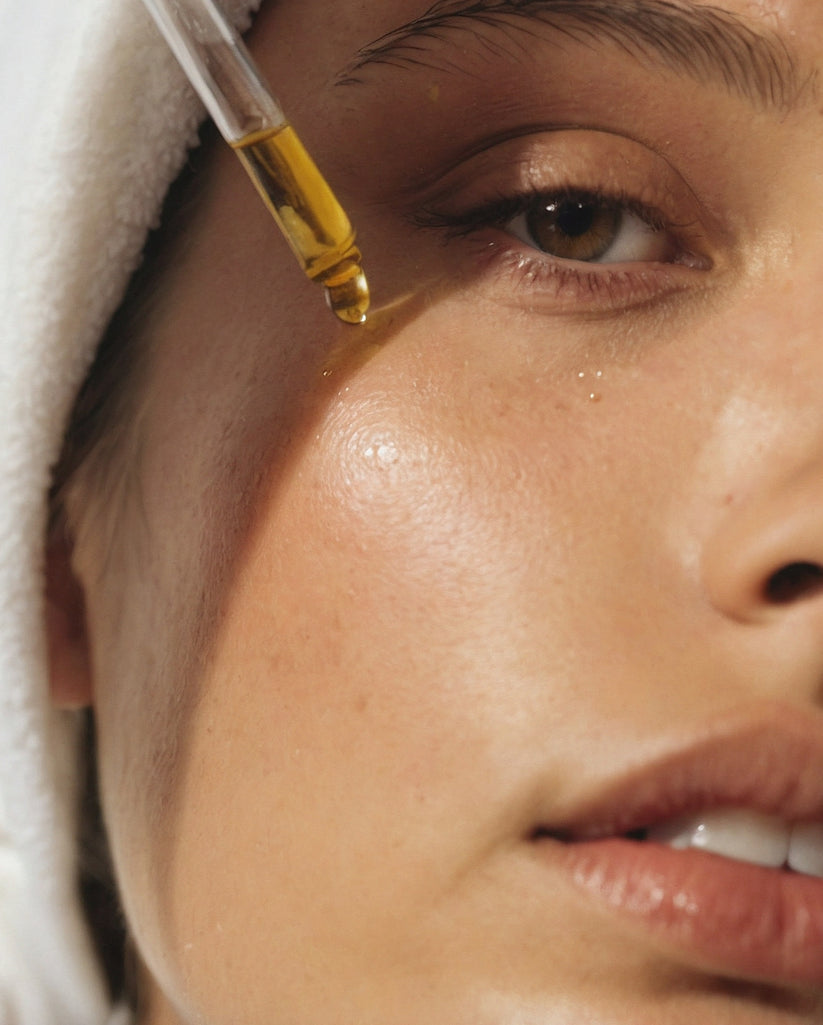
If you have spent the last decade layering serums, actives, and treatments trying to slow visible aging, this might surprise you: the best anti aging face oil is not the newest technology. It is one of the oldest.
Facial oils have been dismissed as too heavy, pore-clogging, or unnecessary in modern skincare routines dominated by water-based serums and targeted actives. But dermatologists who understand skin biology know something different. When formulated correctly with organic, antioxidant-rich botanicals, face oils do what no serum can: they rebuild your skin barrier, deliver fat-soluble nutrients where water-based products cannot reach, and create an environment where aging skin can actually repair itself.
This is not about adding another step to an already overwhelming routine. It is about replacing products that work against your skin's biology with one that works with it.
- Why Face Oils Outperform Serums for Mature Skin
- The Biology of Aging Skin: What You Actually Need After 28
- Best Anti-Aging Ingredients in Face Oils
- Why Organic Formulation Is Non-Negotiable
- How to Apply Face Oil for Maximum Anti-Aging Results
- Pairing Face Oil with Facial Cupping
- Frequently Asked Questions
Why Face Oils Outperform Serums for Mature Skin
Most anti-aging serums are water-based. They are designed to penetrate quickly, deliver actives like vitamin C or hyaluronic acid, and feel lightweight under makeup. They have their place. But they are not rebuilding your skin barrier, and they are not delivering the fat-soluble nutrients your aging skin desperately needs.
Your skin barrier, the outermost layer called the stratum corneum, is made of lipids. Ceramides, cholesterol, and fatty acids form a protective seal that keeps moisture in and irritants out. After age 28, your body produces fewer of these lipids naturally. Your barrier thins. Moisture escapes. Fine lines deepen. Sensitivity increases.
Water-based products sit on top of this lipid barrier. They hydrate temporarily, but they do not repair the structural integrity of the barrier itself. Oils, however, are lipophilic—they dissolve into and merge with your skin's natural lipid matrix. They do not just hydrate. They rebuild.
The key difference: Serums hydrate. Oils restore. If your skin feels tight, sensitive, or dull despite using actives, your barrier is compromised. No amount of hyaluronic acid will fix that. You need lipids.
The best anti aging face oil is formulated with botanical oils that mimic your skin's natural sebum composition. Jojoba oil, for example, is molecularly similar to human sebum. When you apply it, your skin does not recognize it as foreign. It integrates seamlessly, signaling your sebaceous glands to regulate oil production rather than overproduce in response to dryness.
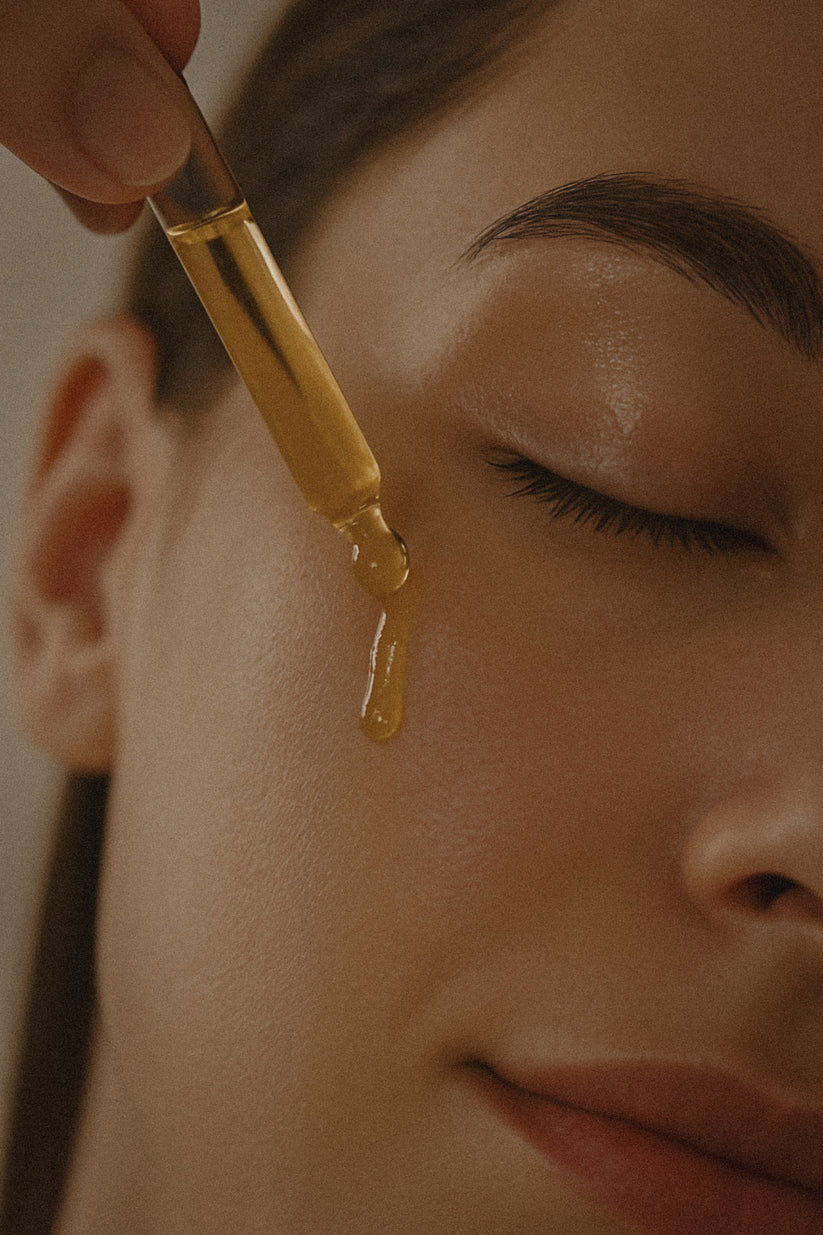
The Biology of Aging Skin: What You Actually Need After 28
Aging skin is not just about wrinkles. It is about a cascade of biological changes that happen beneath the surface, most of which start in your late twenties.
Here is what is happening:
- Collagen degradation: You lose about 1% of collagen per year after age 25. This is not cosmetic. Collagen is the structural protein that keeps skin firm and plump.
- Lipid depletion: Ceramides and essential fatty acids decline, thinning your skin barrier and making it more permeable to water loss and environmental stressors.
- Slower cell turnover: In your twenties, skin cells regenerate every 28 days. By your forties, it is closer to 45 days. Dead cells accumulate. Skin looks dull.
- Reduced sebum production: Hormonal shifts decrease oil production, leading to chronic dryness and increased sensitivity.
- Oxidative stress: UV exposure, pollution, and metabolic processes generate free radicals that damage cellular DNA and accelerate visible aging.
Most anti-aging products address one or two of these issues. Retinol speeds cell turnover. Vitamin C fights oxidative stress. Peptides signal collagen production. But if your skin barrier is compromised, none of these actives work optimally. In fact, they often backfire, causing irritation, peeling, and inflammation that accelerates aging.
The best anti aging face oil addresses the foundation: barrier health. When your lipid matrix is intact, your skin holds moisture. When it holds moisture, actives penetrate more effectively. When actives penetrate, you see results. It is not revolutionary. It is just biology.
Best Anti-Aging Ingredients in Face Oils
Not all oils are created equal. Some clog pores. Some oxidize quickly and turn rancid on your skin. Some are marketed as anti-aging but deliver no measurable benefit. The best anti aging face oil is built on three evidence-backed botanicals that have been studied for their effects on skin aging.
Jojoba Oil
Chemically similar to human sebum. Non-comedogenic. Regulates oil production and delivers vitamin E directly to skin cells. Stable and non-oxidizing.
Rosehip Seed Oil
Contains trans-retinoic acid (a natural form of vitamin A) and essential fatty acids. Supports cell turnover without irritation. Clinically shown to reduce hyperpigmentation.
Frankincense Essential Oil
Anti-inflammatory and astringent. Reduces the appearance of pores and fine lines. Used in Ayurvedic and Traditional Chinese Medicine for skin healing.
Jojoba Oil: The Skin-Identical Lipid
Jojoba is technically a wax ester, not a triglyceride oil. This matters because wax esters are what your sebaceous glands produce naturally. When you apply jojoba, your skin recognizes it as its own. This has two benefits: it absorbs quickly without leaving a greasy residue, and it signals your skin to stop overproducing oil in response to dehydration.
Jojoba is also rich in vitamin E, a potent antioxidant that neutralizes free radicals before they damage cellular membranes. Unlike synthetic vitamin E (tocopherol acetate), the vitamin E in cold-pressed jojoba oil is bioavailable and stable.
Rosehip Seed Oil: Nature's Retinol Alternative
Rosehip oil contains trans-retinoic acid, the same active metabolite your skin converts synthetic retinol into. The difference? Rosehip delivers it in a gentle, plant-based form that does not cause the irritation, peeling, or photosensitivity associated with prescription retinoids.
Studies show rosehip oil improves skin elasticity, reduces the depth of wrinkles, and fades hyperpigmentation, all effects traditionally associated with retinol use. It is also high in linoleic acid, an omega-6 fatty acid that is depleted in aging and acne-prone skin.
Frankincense Essential Oil: The Inflammation Manager
Chronic low-grade inflammation is the invisible driver of skin aging. It breaks down collagen, disrupts barrier function, and accelerates cellular senescence. Frankincense oil contains boswellic acids, compounds shown to inhibit inflammatory pathways without suppressing immune function.
Traditionally used in Ayurvedic medicine to heal wounds and scars, frankincense has astringent properties that visibly tighten pores and smooth skin texture. In the context of an anti-aging face oil, it acts as both an active and a preservative, extending the shelf life of the formula naturally.
Why Organic Formulation Is Non-Negotiable
Most skincare brands do not talk about this, but the sourcing of botanical ingredients matters as much as the ingredients themselves. Conventional botanical oils, even the "good" ones like jojoba or rosehip are often grown with pesticides, herbicides, and synthetic fertilizers. These chemicals do not fully wash out during extraction. They end up in your face oil.
Why does this matter for aging skin?
Because many agricultural chemicals are endocrine disruptors. They interfere with hormone signaling, which directly impacts skin health. Estrogen, progesterone, and testosterone all influence collagen production, sebum regulation, and skin thickness. When you apply a product laced with xenoestrogens (synthetic compounds that mimic estrogen), you are introducing noise into a finely tuned system.
Organic certification is not a marketing term. It is a guarantee that the plants were grown without synthetic pesticides, GMOs, or sewage sludge (yes, that is used in conventional agriculture). For a product you apply to your face daily onto skin that absorbs up to 60% of what you put on it, this is not optional.
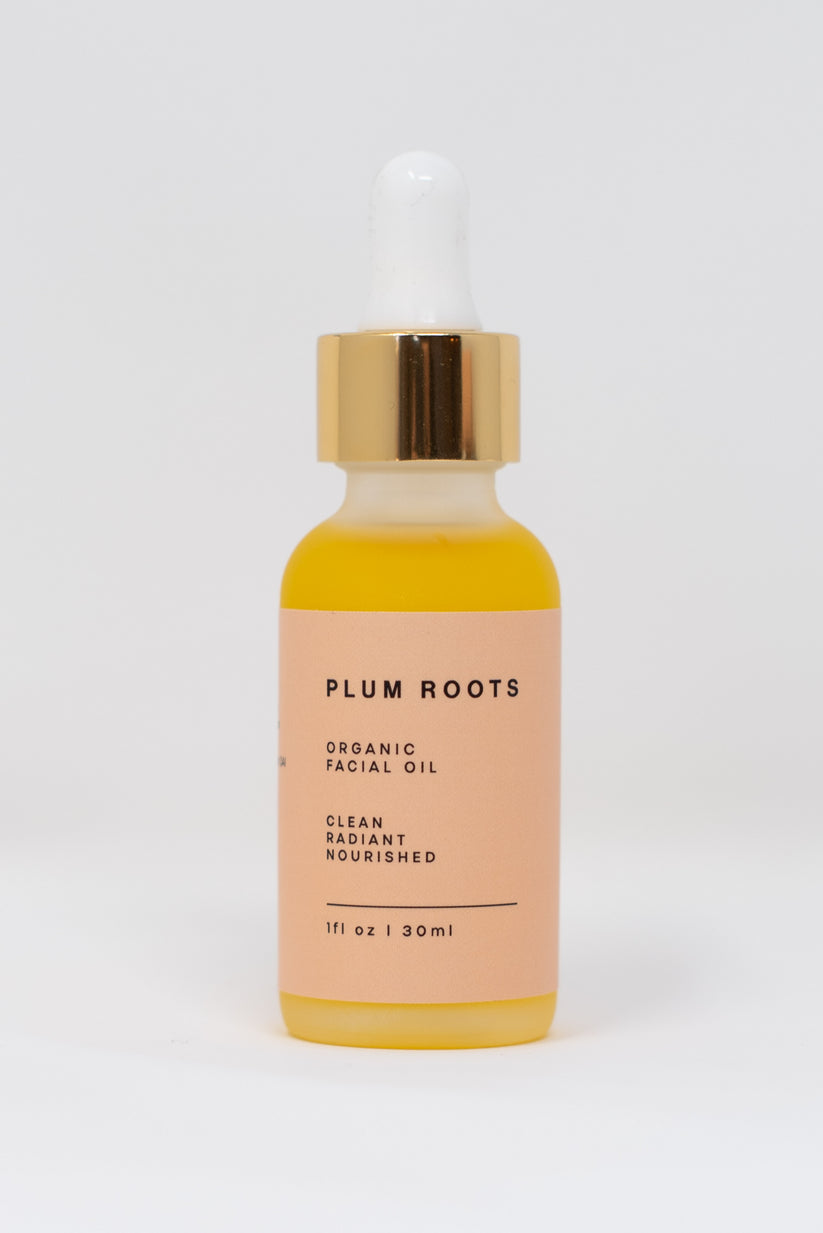
The Plum Roots standard: Every ingredient in our Organic Facial Oil is USDA certified organic. No fillers. No fragrance. No synthetic preservatives. Just three botanicals, cold-pressed and bottled in violet glass to protect against oxidation.
How to Apply Face Oil for Maximum Anti-Aging Results
The way you apply face oil determines whether it sinks in or sits on the surface. Most people apply too much, on dry skin, without any technique. Here is the protocol that maximizes absorption and anti-aging benefits.
Step 1: Cleanse Without Stripping
Use a gentle, non-foaming cleanser. Avoid sulfates and high-pH cleansers that strip your acid mantle. Your skin should feel clean but not tight. If it feels squeaky, you have over-cleansed and disrupted your barrier.
Step 2: Apply to Damp Skin
This is the step most people skip. After cleansing, pat your face with a towel but leave it slightly damp. The moisture on your skin acts as a carrier, helping the oil spread more evenly and absorb more deeply. You will use less product and get better results.
Step 3: Warm the Oil in Your Palms
Dispense 4-6 drops of the best anti aging face oil into your palm. Rub your hands together for 10 seconds. This warms the oil, making it more fluid and easier to press into your skin. It also activates the aromatic compounds in essential oils like frankincense.
Step 4: Press, Do Not Rub
Press the oil onto your face using your palms. Start at your jawline and move upward toward your temples. Use gentle pressure. This method mimics lymphatic drainage patterns and prevents tugging on delicate skin.
Step 5: Focus on High-Movement Areas
Use your ring finger (the weakest finger, which prevents over-pulling) to gently tap oil around your eyes, mouth, and forehead areas where expression lines form. The mechanical tapping stimulates microcirculation without stretching skin.
Step 6 (Optional): Layer with Facial Cupping
If you have facial cupping tools, now is the time to use them. The oil acts as a slip agent, allowing the cups to glide smoothly while the suction enhances product penetration and stimulates deeper layers of skin.
Pairing Face Oil with Facial Cupping: The Synergy Effect
Facial cupping is an ancient practice rooted in Traditional Chinese Medicine. It uses gentle suction to lift skin, increase blood flow, and stimulate lymphatic drainage. When paired with the best anti aging face oil, the results amplify significantly.
Here is why: suction increases microcirculation. More blood flow means more oxygen and nutrients delivered to skin cells. It also means better absorption of the oils you have just applied. Studies on transdermal absorption show that mechanical stimulation can increase penetration of topical compounds by up to 40%.
Lymphatic drainage is equally important
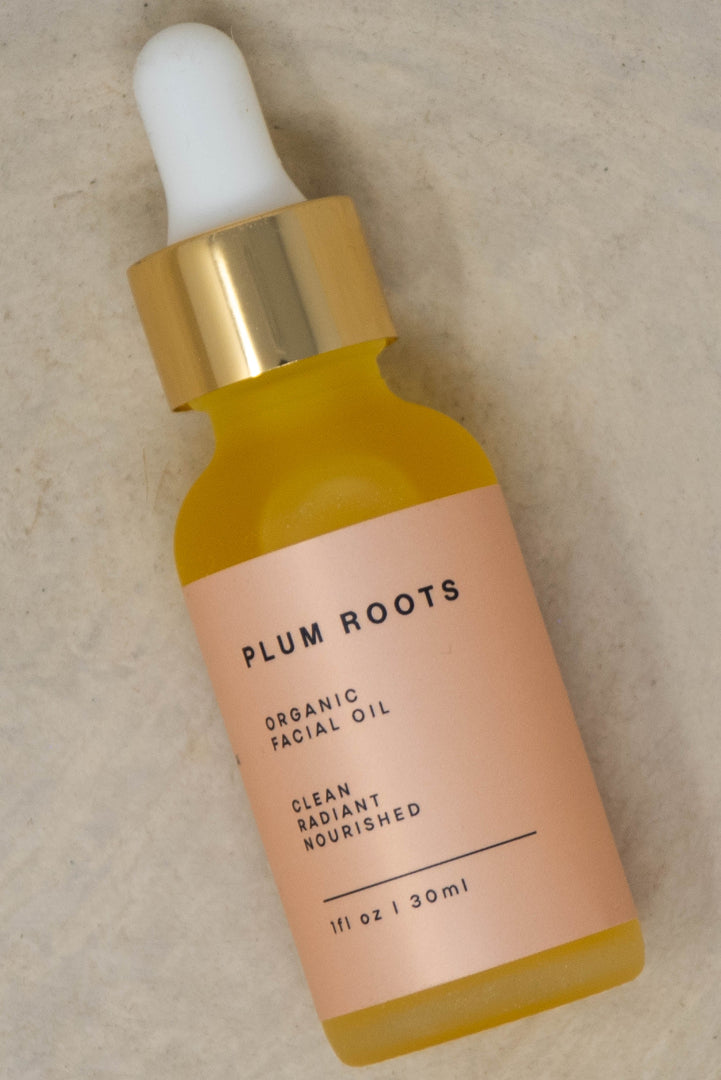
Shop our new Organic Facial Oil at www.plumroots.com.